
In The Classroom

The Estes Blue Origin New Glenn flying model rocket lets you hold a piece of today’s space future in your hands. Officially licensed and developed in partnership with Blue Origin, this 1:200 scale model is inspired by the powerful launch vehicle that reached orbit on January 16, 2025, marking a major milestone in commercial spaceflight.
With more missions planned and growing visibility across the space community, New Glenn represents the next chapter in exploration. This model captures that excitement, making it a must have for space fans, collectors, and rocketeers alike.
Ready to Fly Right Out of the Box
No building, no waiting, and no extra prep required. New Glenn comes ready to fly the moment you open the box, removing the usual barriers that come with scale model rockets. Whether you are new to rocketry or a seasoned flyer, you can head straight to the launch field with confidence.
The included display stand allows you to showcase the rocket between flights, turning it into a striking centerpiece that celebrates modern aerospace design.
Powerful Flights and Smooth Recoveries
On launch day, New Glenn delivers a thrilling liftoff and climbs to projected altitudes of up to 450 feet. It flies on a range of popular Estes engines including B4-2, B6-2, C5-3, and C6-3, making it easy to tailor your flight experience.
Durable molded plastic fins provide stable performance, while a bright 15 inch parachute ensures smooth, visible recoveries for repeat flights you can enjoy again and again.
A Rocket That Performs and Displays Beautifully
Standing nearly 20 inches tall, New Glenn commands attention wherever it is displayed. Its clean lines and recognizable profile make it just as exciting to admire on your shelf as it is to watch soar skyward.
Whether you are launching, displaying, or simply celebrating the future of spaceflight, the Estes Blue Origin New Glenn delivers an unforgettable experience that connects you to the cutting edge of exploration.
What You Need To Build (Not Included)
What You Need To Launch (Not Included)
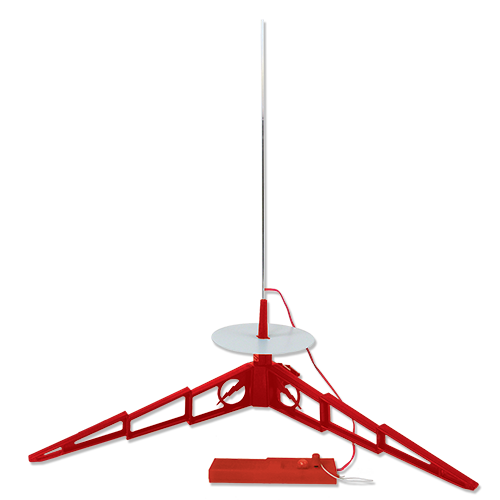
- Estes Porta-Pad II Launch Pad and Electron Beam Launch Controller
- Estes Model Rocket Engines
- Starters
- Recovery Wadding
- Four 1.5V high quality "AA" alkaline batteries (For Launch Controller)
What You Need to Fly
-
Porta-Pad® II Launch Pad and Electron Beam® Launch Controller
Regular price $39.99Sale price $39.99Unit price per -
Recovery Wadding
Regular price $5.99Sale price $5.99Unit price per -
B4-2 Engines
Regular price $13.99Sale price $13.99Unit price per -
B6-2 Engines
Regular price $13.99Sale price $13.99Unit price per -
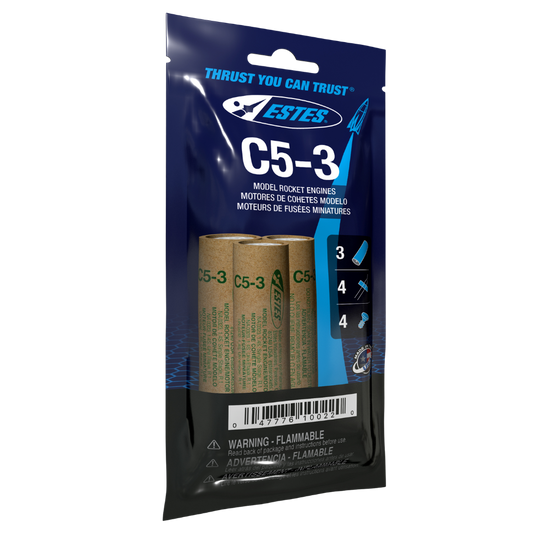
C5-3 Engines
Regular price $14.99Sale price $14.99Unit price per -
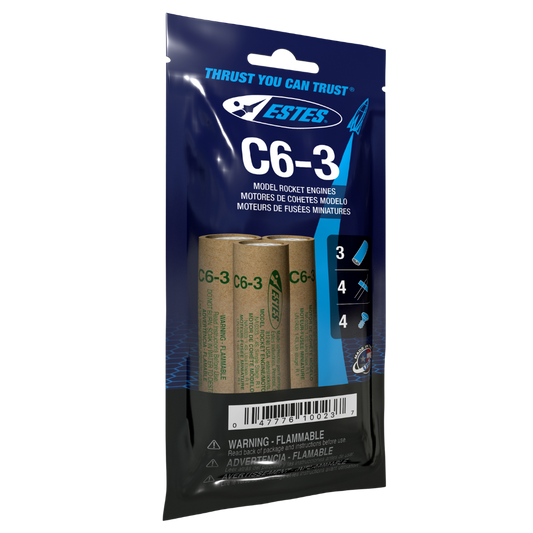
C6-3 Engines
Regular price $14.99Sale price $14.99Unit price per


Recommended Lesson Plans For Your Rocket


